
Fairy Diaries

Raised in Detroit: How Rare Plant Fairy Grew from Passion to Purpose
From a single weekend in Detroit to a nationwide movement, discover how Rare Plant Fairy grew from a passion project into a purpose-driven company redefining the rare plant industry.

How to Acclimate Rare Plants After Shipping
Help your rare plant recover after shipping with our expert acclimation guide — how to reintroduce light, humidity, and water for a smooth, healthy transition.

The Best Rare Plants for Every Light Level
Find rare plants for every light level — Jewel Orchids for shaded rooms, velvety Anthuriums for filtered light, and Hoyas for bright spaces. Expertly grown and raised in Detroit.

Oct 8, 2025
Ethically Sourced, Expertly Grown: How Rare Plant Fairy Sets a New Standard in Plant Sourcing
Rare Plant Fairy redefines ethical sourcing in the rare-plant world — combining scientific tissue culture, sustainable growing, and global partnerships with reputable breeders through RPF Labs to create rarity without harm.

The Ultimate Guide to Rare Houseplants: What Makes a Plant “Rare”
Discover what truly makes a plant rare — from genetic mutations and tissue-culture exclusives to our most coveted Unicorns: Monstera ‘Masterpiece,’ Monstera ‘White Lava,’ and Alocasia cuprea variegated.

Jul 30, 2025
Rare Plant Fairy Founder Wins EY Entrepreneur Of The Year® Regional Award 2025
We’re beyond excited to share some incredible news: our founder, Jocelyn Ho, has been named a regional winner of the ...

Mar 24, 2025
Through Ice, Snow and Floods - How Far We’ll Go to Get These Plants to You!
While battling a brutal Detroit winter—where ice sealed the roads and the cold bit through every layer—we decided to ...

Transitioning Your Plants from Winter to Spring: A Care Guide
As the seasons shift from winter’s chill to the warmth of spring, your plants will start to wake up from their dorman...

Jan 5, 2025
Tissue Culture, In a Nutshell
Tissue culture is changing how rare plants get grown, shared, and preserved. A primer on the science, the journey from lab to shelf, and what is happening at RPF Labs.

Wet Soggy Spots On Leaves? It Could Be Signs Of Edema And Guttation!
As temperatures drop and humidity fluctuates during the winter months, many plant parents notice unusual changes in t...
Dec 18, 2024
High Humidity Acclimation Guide
Congratulations on your new plant baby!
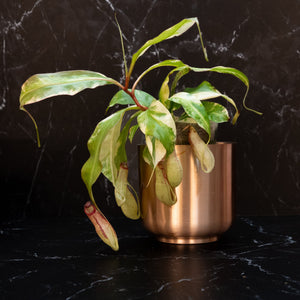
Receiving a new high-humidity plant (eg. begonia, nepenthes, alocasia, orchid...

Can Plants Feel Pain? The Science Behind Plant Perception
Plants do not feel pain like animals because they lack a nervous system and pain receptors, but they are far from passive. They can sense and respond to their environment by releasing chemical signals, warning nearby plants of danger, and activating defense mechanisms when damaged. While these responses are not the same as pain, they demonstrate a complex form of perception that some scientists describe as plant intelligence. Understanding this challenges us to reconsider our relationship with nature, encouraging greater respect, mindfulness, and appreciation for the interconnectedness of life on Earth.